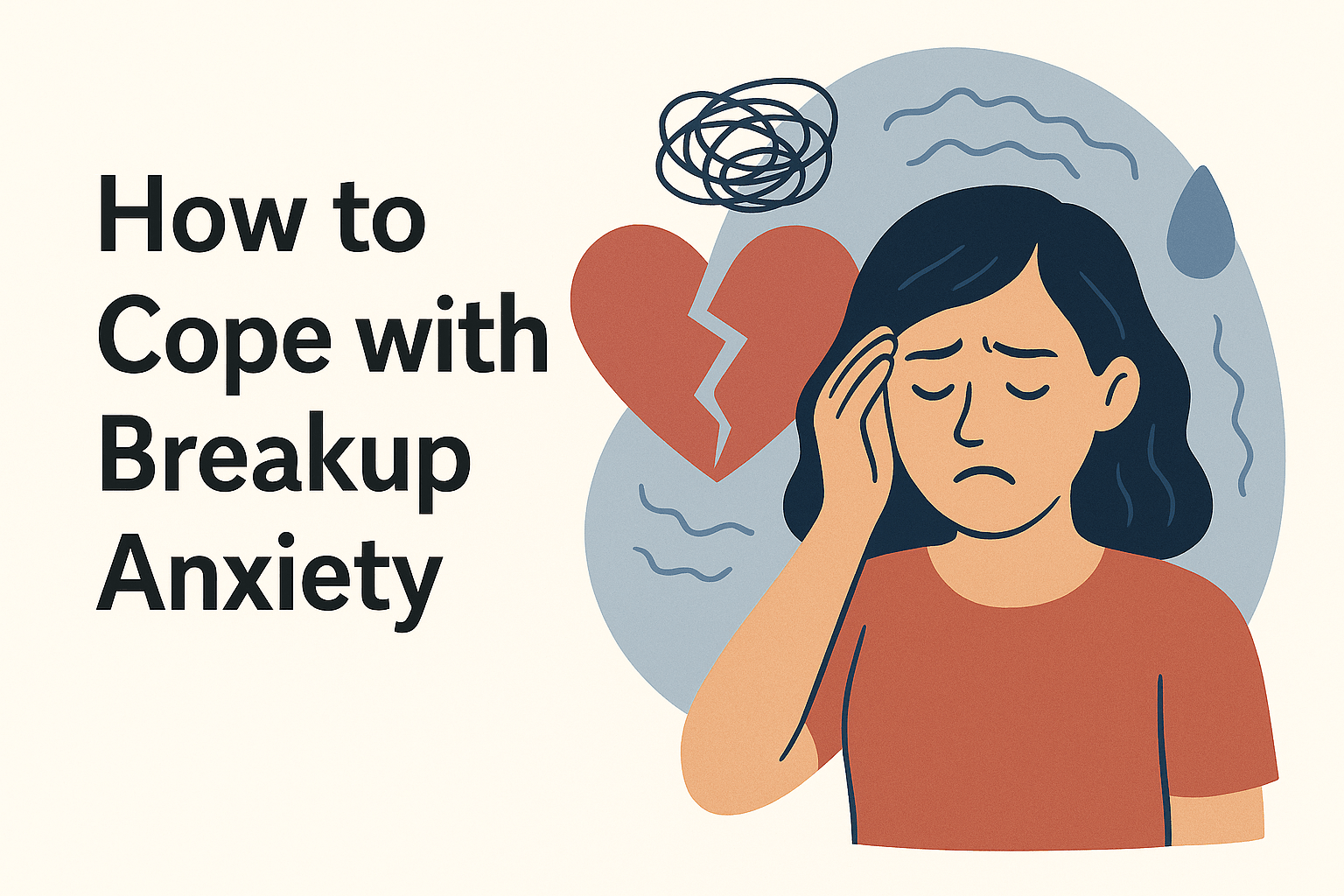
Breakup Anxiety and Why It Hits So Hard
Breakups are often described as heartbreaking, painful, or confusing. But the anxiety that follows is one of the most common and intense reactions people experience. Even when you logically understand why the relationship ended, your body and mind may respond with panic, fear or a sense of being ungrounded.
Breakup anxiety is not a sign that you should get back together or that something is wrong with you. It’s the nervous system responding to loss, uncertainty and change. Understanding what’s happening can make the experience feel far less frightening.
Why Breakups Trigger Anxiety
1. Attachment disruption
Humans form emotional bonds designed for security. When that bond ends, the brain experiences it as a sudden loss of safety. The part of the brain responsible for connection doesn’t distinguish between emotional separation and physical threat.
This can lead to:
-
panic-like sensations
-
fear of being alone
-
longing or craving for the other person
-
emotional shock
Your body is reacting to separation, not failure.
2. Loss of routine and stability
Relationships create structure. You may lose:
-
familiar habits
-
shared spaces
-
daily check-ins
-
emotional reassurance
-
future plans
With so many things shifting at once, the mind searches for something to hold onto. This uncertainty can feel like anxiety.
3. Emotional withdrawal
During a relationship, your brain releases hormones like oxytocin and dopamine that support bonding. After a breakup, these drop sharply. The emotional withdrawal can feel similar to craving or withdrawal from addiction.
This can create:
-
agitation
-
sadness
-
urges to reach out
-
difficulty eating or sleeping
Your body is adjusting, not breaking.
4. Activation of old wounds
Breakups can stir up old experiences of rejection, abandonment, or loss. Even if the relationship was healthy, the ending may touch deeper patterns within you.
This is why breakup anxiety may feel bigger than the relationship itself.
What Breakup Anxiety Feels Like
Breakup anxiety can show up both physically and emotionally.
Common physical symptoms
-
tight chest or racing heart
-
restlessness
-
nausea or loss of appetite
-
disrupted sleep
-
difficulty concentrating
-
exhaustion
Common emotional symptoms
-
intrusive thoughts
-
fear of regret
-
replaying memories
-
imagining conversations or alternate scenarios
-
strong need for reassurance
-
feeling disconnected from yourself
These reactions are normal, even if they feel overwhelming.
How to Cope With Breakup Anxiety
Healing doesn’t happen by pushing through or suppressing your emotions. It happens by understanding them, supporting your nervous system and reconnecting with yourself.
1. Slow your nervous system
When anxiety spikes, your body needs cues of safety.
Try:
-
slow breathing
-
grounding
-
placing a hand on your chest
-
gentle movement
These techniques help stabilise your system.
2. Create space from your ex
Constant contact, checking their social media, or revisiting messages keeps the wound open. Taking space (even temporarily) allows your emotions to settle rather than reactivating the anxiety repeatedly.
3. Strengthen your support system
Talk to friends, family, or a therapist. Sharing your experience helps regulate your emotions and reduces the sense of isolation.
4. Rebuild your identity
Breakups often take away the roles and routines you had in the relationship. Reconnect with yourself by:
-
revisiting old interests
-
starting new habits
-
spending time with people who ground you
This helps rebuild your sense of who you are outside the relationship.
5. Allow the emotions without judging them
You may feel sadness, anger, relief, loneliness or hope. Sometimes all in the same day. Emotions shift naturally when given space.
6. Consider therapy
Therapy helps you process the attachment loss, understand deeper patterns and learn healthier ways to regulate anxiety. It also provides a safe place to explore your feelings without pressure or judgement.
Conclusion
Breakup anxiety is intense because it affects your emotional world, your nervous system, and your sense of identity all at once. But with time, support and mindful coping tools the anxiety eases and clarity returns. Healing is absolutely possible, and you don’t need to go through it alone.
Related reading
More from the blog
Need Support?
If you're ready to take the next step, we're here to help